
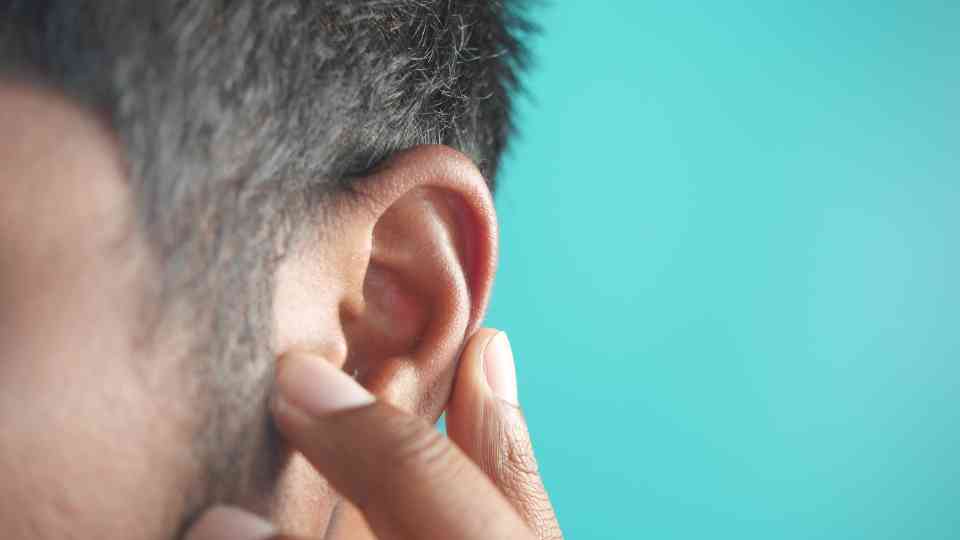
How to Get Rid of Blocked Ears with Guidance from The Village Pharmacy in Chelmsford
The best way to get rid of blocked ears depends on what is behind the blockage, but ear wax build-up is the most common cause and fortunately one of the most straightforward to treat. For mild cases, softening ear drops such as olive oil or sodium bicarbonate can gently loosen wax and allow it to clear naturally over the course of one to two weeks. For more persistent, uncomfortable, or significant blockages, microsuction is the gold-standard clinical treatment — a safe, quick, and highly effective procedure carried out by trained practitioners. At The Village Pharmacy in Chelmsford, we offer both expert advice on ear drops and professional microsuction appointments, helping patients across the area get rid of blocked ears quickly and comfortably.
You might be surprised at just how simple it is to take the first step towards better hearing. Get started today and book now at The Village Pharmacy in Chelmsford – you do not need a GP referral to be seen.
Key takeaways
- Ear wax build-up is the most common cause of blocked ears and can be treated effectively with ear drops or microsuction.
- Softening ear drops such as olive oil are a safe and accessible first-line treatment for mild blockages.
- Microsuction is the safest and most effective professional treatment for persistent or significant blocked ears.
- Cotton buds and ear candles should always be avoided – they can make blockages significantly worse and cause damage to the ear canal.
- Blocked ears accompanied by pain, discharge, sudden hearing loss, or dizziness should always be assessed by a healthcare professional promptly.
- The Village Pharmacy in Chelmsford offers professional ear care with no GP referral required and appointments available to suit busy schedules.
What Causes Blocked Ears?
Understanding what is causing your blocked ears is the first step towards finding the right treatment. By far the most common cause is ear wax build-up — a natural process that becomes problematic when wax accumulates faster than the ear can clear it. This can happen gradually over time, or more suddenly following activities such as swimming, wearing earbuds, or using a hearing aid. Other common causes of blocked ears include:
- Eustachian tube dysfunction, where the tube connecting the middle ear to the throat fails to equalise pressure – often triggered by a cold, flu, or allergies
- Fluid behind the eardrum (glue ear), which is particularly common in children but can affect adults too
- Swimmer’s ear (otitis externa), an infection of the outer ear canal caused by water or bacteria
- Changes in air pressure, such as those experienced during flying or scuba diving
- Middle ear infections (otitis media), which are often accompanied by pain and fever
When you are not sure what is behind your blocked ears, it is always advisable to get a professional opinion before attempting to treat the problem itself.
How to Get Rid of Blocked Ears Caused by Ear Wax
For the majority of patients, blocked ears caused by ear wax can be resolved using one of two approaches — ear drops for milder cases, or microsuction for more significant blockages.
Ear Drops
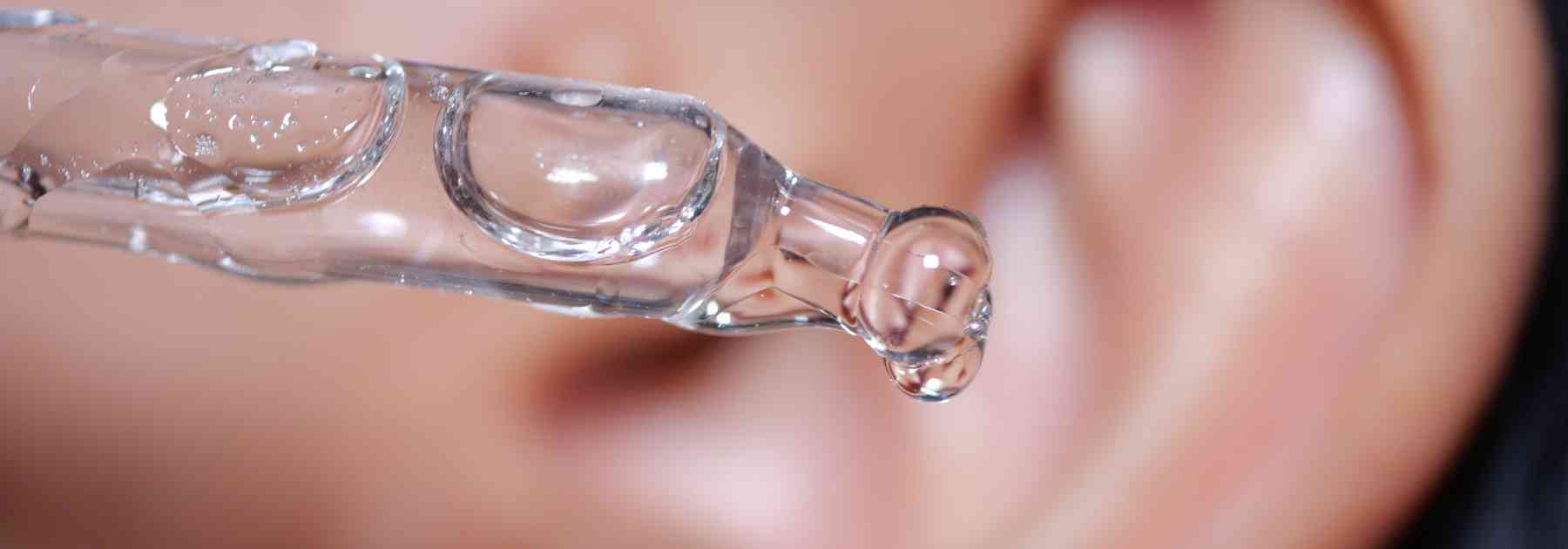
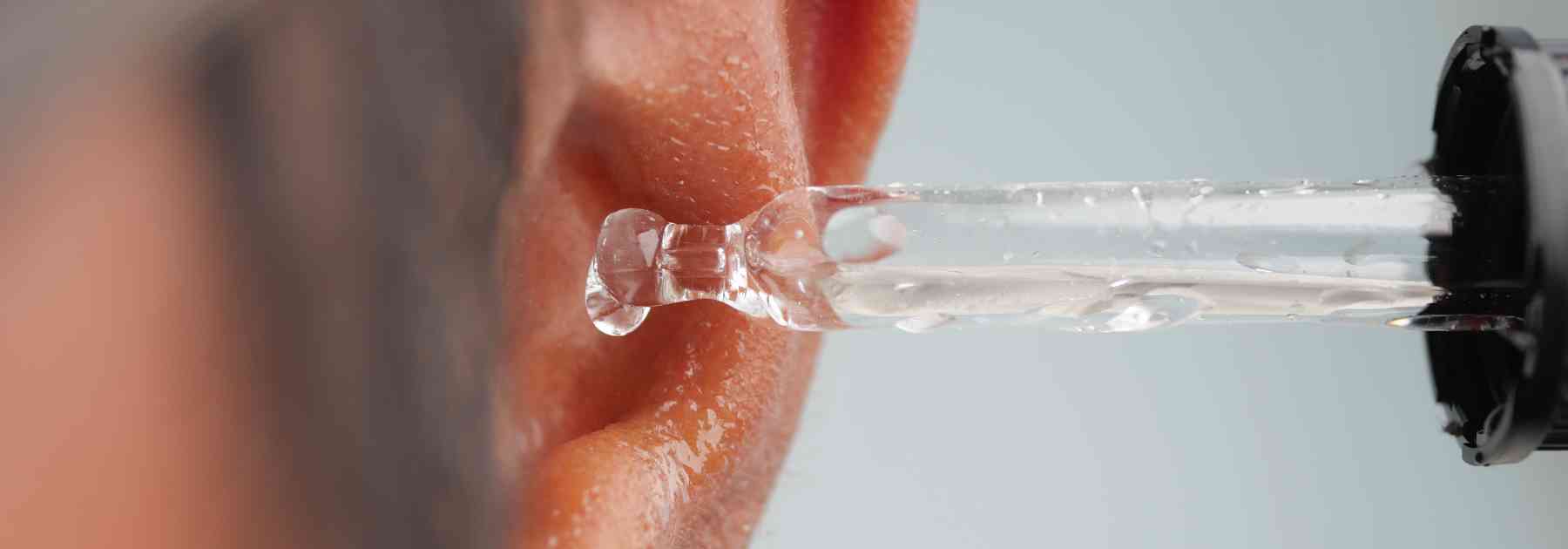
Olive oil drops are the most widely recommended option for softening ear wax at home. Applying two to three drops two to three times daily for up to two weeks helps to loosen hardened wax and encourages it to migrate naturally out of the ear canal. Sodium bicarbonate drops are another over-the-counter option that work in a similar way, though some formulations may require a prescription — speak to your pharmacist for guidance. Ear drops are most effective for mild to moderate build-up. If your symptoms have not improved after one to two weeks of consistent use, it is time to consider professional treatment.
Microsuction
Microsuction is the preferred clinical method for ear wax removal and is recommended by audiologists and ENT specialists as the safest option available. The procedure uses gentle suction — guided by a microscope or headlight — to remove wax from the ear canal without the need for water or instruments that could cause damage. It is suitable for most adults and children, including those with a perforated eardrum or a history of ear surgery, and typically produces an immediate improvement in hearing from the very first appointment.
Our friendly team at The Village Pharmacy in Chelmsford is here to help you find the right treatment for your blocked ears — call us today for expert advice and to find out more about our microsuction service.
Comparing Treatments for Blocked Ears
Not sure which treatment is right for you? Here is a clear comparison of the most common options to help you make an informed decision:
| Treatment | Best for | How it works | Time to work | Safety |
|---|---|---|---|---|
| Olive oil drops | Mild wax build-up | Softens wax to aid natural migration | 1–2 weeks | Very high |
| Sodium bicarbonate drops | Mild to moderate wax build-up | Dissolves and softens wax | 1–2 weeks | High |
| Microsuction | Moderate to significant wax build-up | Gentle suction removes wax directly | Immediate | Very high |
| Ear irrigation | Moderate wax build-up | Water flushes wax from the canal | Immediate | Moderate — not suitable for all |
| Cotton buds | Not recommended | Pushes wax deeper into the canal | N/A | Low |
| Ear candling | Not recommended | No clinical evidence of benefit | N/A | Low |
Other Ways to Help Unblock Your Ears
If your blocked ears are the result of pressure changes or Eustachian tube dysfunction rather than wax build-up, there are several techniques that may offer some relief. The Valsalva manoeuvre involves gently pinching the nose, closing the mouth, and blowing softly to equalise pressure in the middle ear. This can be particularly useful during or after flying. Yawning and swallowing can also help to open the Eustachian tube and relieve pressure. Steam inhalation may provide temporary relief for blocked ears associated with a cold or congestion, though it will not resolve a wax blockage. If pressure-related symptoms persist for more than a few days, or are accompanied by pain or hearing loss, seek professional advice.
What to Avoid When Trying to Unblock Your Ears
Two approaches in particular should always be avoided. Inserting cotton buds into the ear canal is one of the most common causes of impacted wax seen by healthcare professionals — rather than removing wax, they push it deeper and can cause trauma to the delicate skin of the ear canal. Ear candles have no proven clinical benefit and carry a genuine risk of burns to the face, ear canal, and eardrum. The British Association of Audiologists and the NHS both advise strongly against their use. When in doubt, always seek professional advice before attempting any form of ear wax removal at home.
Contact us at The Village Pharmacy in Chelmsford and let our trained, experienced team get rid of your blocked ears quickly, safely, and comfortably.
Frequently Asked Questions
If you still have questions about how to get rid of blocked ears, our team at The Village Pharmacy in Chelmsford has put together answers to some of the most common queries we receive.
How long does it take to get rid of blocked ears with ear drops?
With consistent use of olive oil drops two to three times daily, most patients notice an improvement within one to two weeks. If your symptoms have not improved after this time, it is advisable to book a professional microsuction appointment.
Is microsuction the best way to get rid of blocked ears?
For moderate to significant wax blockages, microsuction is widely regarded as the safest and most effective treatment available, producing immediate results in most cases. For mild blockages, softening ear drops may be sufficient — a pharmacist can advise on the most appropriate option for your symptoms.
Can blocked ears clear on their own?
In some cases, particularly where the blockage is mild or caused by soft wax or trapped water, blocked ears may resolve without treatment. However, if your ears have felt blocked for more than a week, or your symptoms are worsening, it is always best to seek professional advice rather than waiting.
Are there any risks associated with microsuction?
Microsuction is considered a very safe procedure with a low risk of complications when carried out by a trained practitioner. As with any ear procedure, there is a small risk of temporary dizziness or minor discomfort, but serious complications are rare.
Can blocked ears cause tinnitus?
Yes — a build-up of ear wax pressing against the eardrum can trigger or worsen tinnitus, the perception of ringing, buzzing, or humming in the ear. In many cases, tinnitus caused by wax improves significantly or resolves completely once the blockage has been treated.
When should I see a doctor about blocked ears?
You should seek prompt medical attention if your blocked ears are accompanied by severe pain, discharge, sudden or significant hearing loss, dizziness, or a high temperature. These symptoms may indicate an underlying condition that requires medical treatment rather than ear wax removal.
Take Control of Your Ear Health
For mild cases, softening ear drops can often do the job on their own. For blockages that go beyond what ear drops can tackle, microsuction remains the gold-standard treatment — safe, highly effective, and accessible without a GP referral. Every member of our team at The Village Pharmacy in Chelmsford is committed to delivering expert ear microsuction with the highest standards of care, in a safe and comfortable environment. Help for blocked ears is right here in Chelmsford – book your appointment now at The Village Pharmacy and experience the difference that expert ear care can make.

Disclaimer: The information in this blog post is for general informational purposes only and does not constitute medical advice. Always speak to a qualified medical professional or pharmacist before starting any treatment, or if you have concerns about your ear health.