
How to Use a Tick Removal Tool – Travel Health Guidance in Chelmsford
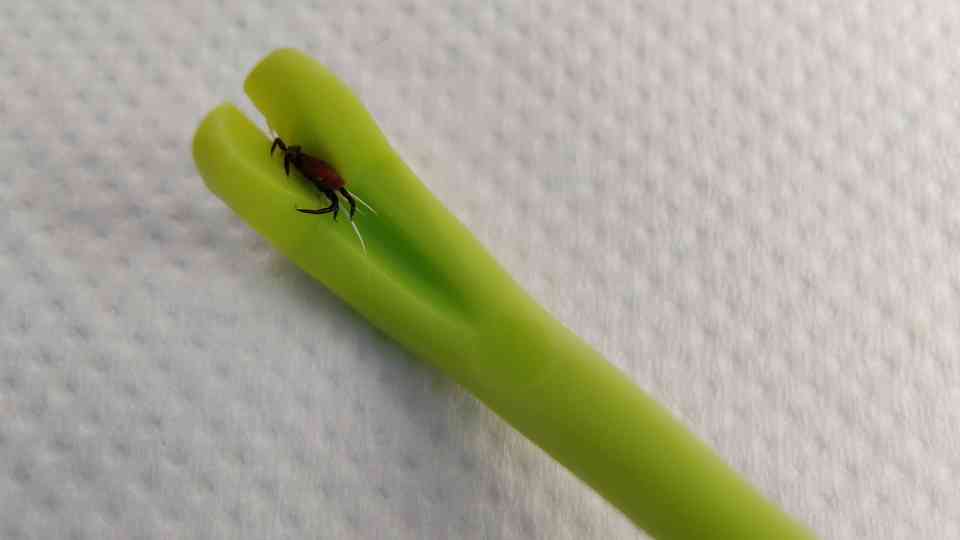
Tick removal tools allow you to remove a tick effectively while reducing the risk of leaving fragments in the skin. To use it correctly, you position the tool close to the skin, gently secure the tick, and slowly pull it away without twisting or squeezing. Acting quickly and carefully reduces the risk of infection and helps prevent complications such as Lyme disease. The Village Pharmacy in Chelmsford offers travel guidance and appropriate tools to support safe and effective tick removal.
Book now to get expert advice and ensure you are fully prepared to manage tick bites safely.
Key takeaways
- Use a proper tick removal tool rather than fingers or tweezers where possible
- Remove the tick as soon as you notice it
- Pull steadily without twisting to avoid leaving parts behind
- Clean the area thoroughly after removal
- Monitor the bite site for any signs of infection or rash
What is a Tick Removal Tool?
A tick removal tool is a small device, often shaped like a hook or card, specifically designed to remove ticks from the skin safely. Unlike standard tweezers, these tools are designed to grip the tick close to the skin without squeezing its body, which reduces the risk of bacteria being transferred.
They are lightweight, easy to carry, and commonly included in travel first aid kits, especially for those visiting rural, woodland, or grassy areas where ticks are more common.
Step by Step Guide to Using a Tick Removal Tool
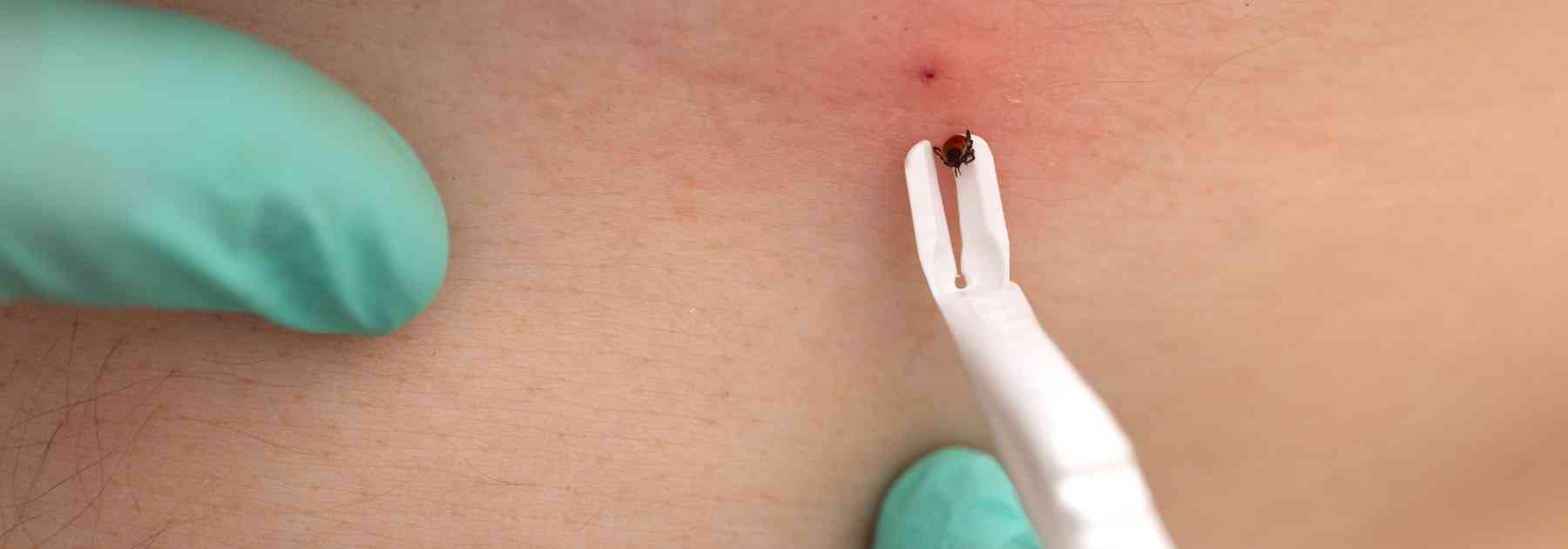
Using a tick removal tool correctly is straightforward but requires a calm and careful approach. First, locate the tick and ensure good visibility of the area. If needed, part the hair or clean the surrounding skin so you can clearly see the tick’s position.
Next, slide the tool underneath the tick, positioning it as close to the skin as possible. The aim is to secure the tick at the point where it is attached, rather than gripping the body.
Once in place, gently lift the tool upward using steady, even pressure. Avoid twisting or jerking the tool, as this can cause the tick’s mouthparts to remain embedded in the skin.
After removal, check the tick to ensure it is intact. Clean the bite area with antiseptic and wash your hands thoroughly. Dispose of the tick safely by placing it in tissue and discarding it.
What to Do After Removing A Tick
Once the tick has been removed, it is important to keep the area clean and monitor it over the following days. A small amount of redness is normal, but it should gradually settle.
If you notice a spreading rash, flu-like symptoms, or persistent irritation, seek medical advice promptly. Early recognition of symptoms can make a significant difference in treatment outcomes.
Call us if you are unsure about a tick bite or need advice on what to do next.
Common Mistakes to Avoid
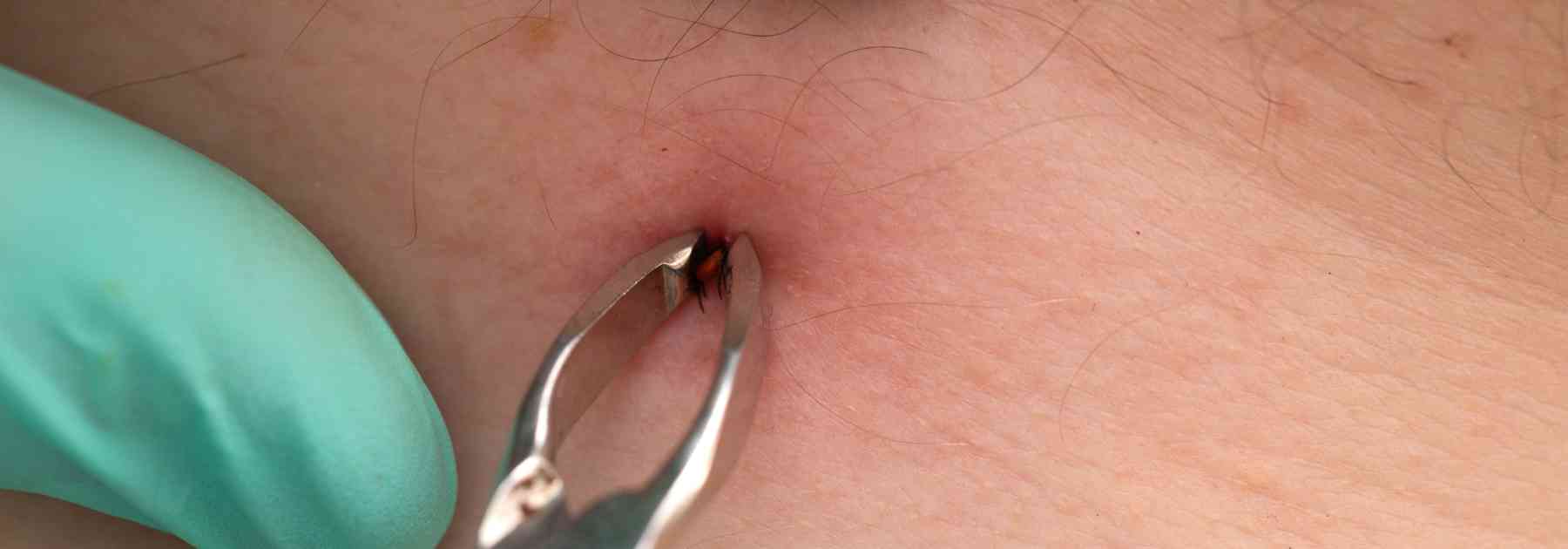
One of the most common mistakes is trying to remove a tick with fingers or squeezing it with standard tweezers. This can increase the risk of infection by forcing bacteria into the skin.
Another mistake is applying substances such as oils, alcohol, or heat in an attempt to make the tick detach. These methods are not recommended and may actually cause the tick to release harmful bacteria.
Using the correct tool and technique is the safest and most effective approach.
When to Use a Tick Removal Tool
A tick removal tool should be used as soon as you notice a tick attached to the skin. The longer a tick remains attached, the higher the risk of disease transmission.
These tools are particularly useful during outdoor activities such as hiking, camping, or gardening. Keeping one in your first aid kit ensures you are always prepared to act quickly.
Contact us to speak with our team and make sure your travel or outdoor kit includes the right essentials.
Who Should Carry a Tick Removal Tool?
Anyone spending time outdoors in areas where ticks are present should consider carrying a tick removal tool. This includes walkers, campers, pet owners, and those travelling to regions where tick-borne illnesses are more common.
Families with children may also find it useful, as quick and safe removal can help reduce anxiety and ensure proper care.
Frequently Asked Questions
The following FAQs provide useful guidance on tick removal and what actions to take next.
How quickly should I remove a tick?
You should remove a tick as soon as you notice it attached to your skin. Prompt removal reduces the risk of infection and potential complications.
Can I use tweezers instead of a tick removal tool?
Fine-tipped tweezers can be used if a tick tool is not available. However, a dedicated tick removal tool is designed to reduce the risk of squeezing the tick.
Does removing a tick hurt?
Tick removal is usually painless as ticks inject a numbing substance when they bite. You may feel slight discomfort depending on the location.
What should I do if part of the tick is left behind?
If a small part remains, try to remove it gently with clean tweezers. If you are unable to do so, keep the area clean and seek advice if irritation develops.
Do I need to see a doctor after a tick bite?
Not all tick bites require medical attention. However, you should seek advice if you develop a rash, fever, or flu-like symptoms.
Can ticks spread diseases in the UK?
Yes, ticks in the UK can carry infections such as Lyme disease. The risk is low but increases the longer the tick remains attached.
Be Ready for Safe Travel
The ability to use a tick removal tool is an essential skill for anyone spending time outdoors, helping you act quickly and safely if a tick bite occurs. Being prepared with the right tools and knowledge can reduce risks and give you peace of mind during your travels or activities. At The Village Pharmacy in Chelmsford, support is available to help you choose the right products and stay protected wherever you go.
Staying protected starts with being prepared – book now to speak to our knowledgeable team at The Village Pharmacy in Chelmsford today for expert advice on tick prevention and the right products for your needs.

Disclaimer: This information is for general guidance only. Always speak to a medical professional before starting any treatment or if you have concerns about a tick bite.