
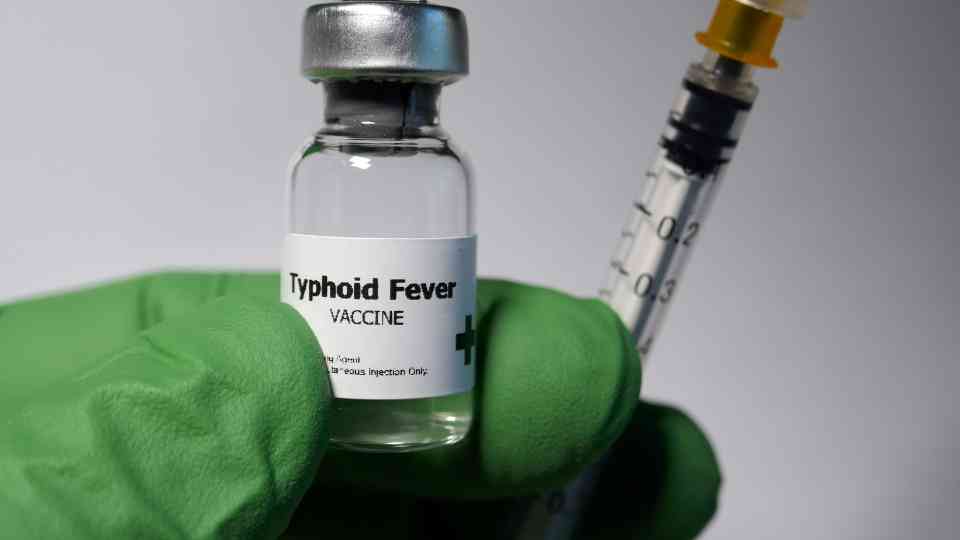
Do I Need the Typhoid Jab for My Destination? — Typhoid Vaccination Chelmsford
Whether you need the typhoid jab before your trip will depend largely on where you are travelling to, but for many popular destinations across South Asia, Africa, Southeast Asia, and Central and South America, the typhoid vaccine is strongly recommended by travel health professionals. Typhoid fever is a serious bacterial infection caused by Salmonella typhi, spread through contaminated food and water, and it remains a significant health risk in many parts of the world where sanitation standards differ from those in the UK. The good news is that the typhoid vaccine is safe, effective, and readily available without a GP referral at The Village Pharmacy in Chelmsford. A personalised travel health consultation with our expert team will confirm whether the typhoid jab is right for your specific itinerary and help ensure you are fully protected before you depart.
Travelling soon and unsure which vaccines you need? Book a consultation with our travel health team at The Village Pharmacy in Chelmsford today.
Key takeaways
- The typhoid jab is recommended for travellers visiting South Asia, Sub-Saharan Africa, Southeast Asia, and parts of Central and South America.
- Typhoid fever is spread through contaminated food and water and can cause serious, life-threatening illness if left untreated.
- The typhoid vaccine is available as a single injection or as an oral course of capsules, and both are available at The Village Pharmacy in Chelmsford.
- Even if you have had the typhoid jab before, your protection may have worn off — boosters are recommended every three years for ongoing risk.
- The typhoid vaccine does not provide 100% protection, so practising good food and water hygiene while travelling remains essential.
- You do not need a GP referral to get the typhoid jab at The Village Pharmacy — simply book your travel health consultation directly with our team.
Why is Typhoid Fever a Travel Risk?
Typhoid fever is a potentially life-threatening infection caused by the bacterium Salmonella typhi. It is predominantly spread through the consumption of food or water that has been contaminated with the faeces or urine of an infected person — making it particularly prevalent in regions where access to clean water and adequate sanitation is limited. Unlike many travel-related illnesses, typhoid can be contracted even by careful travellers who take precautions with food and water, which is why vaccination is so strongly recommended for at-risk destinations.
Symptoms of typhoid fever typically develop one to three weeks after exposure and can include a sustained high fever, severe headache, muscle aches, fatigue, loss of appetite, and abdominal pain. In some cases, a characteristic rose-coloured rash may appear on the chest or abdomen. Without prompt and appropriate antibiotic treatment, typhoid fever can lead to serious complications, including intestinal perforation, which can be life-threatening. In resource-limited settings, access to the right medical care may be delayed, making prevention through vaccination even more important.
According to the World Health Organization (WHO), there are an estimated 11 to 21 million cases of typhoid fever worldwide each year, with the highest burden in South Asia — particularly in India, Pakistan, and Bangladesh. Travellers who visit friends and relatives in high-risk countries are among the most at-risk groups, as they are more likely to eat locally prepared food and drink untreated water than those staying in tourist hotels.
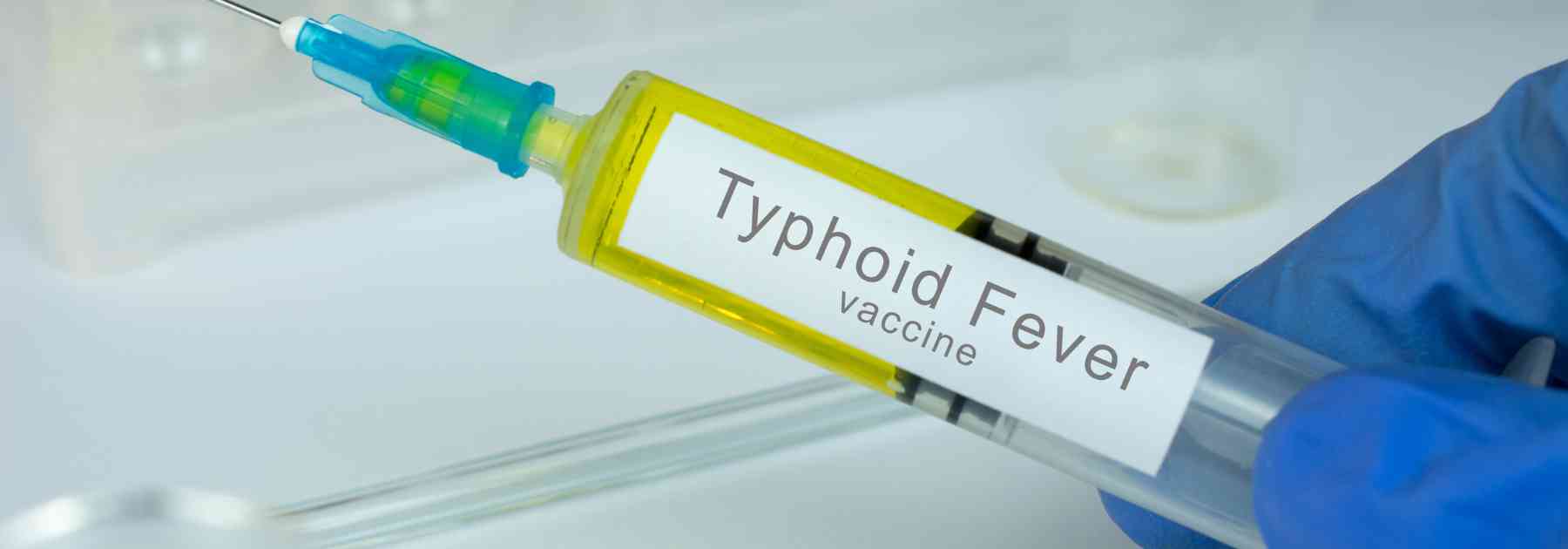
Which Destinations Require the Typhoid Jab?
The typhoid vaccine is recommended for travellers visiting a wide range of destinations, particularly those in the developing world where sanitation infrastructure may be less robust. The regions where typhoid vaccination is most commonly advised include South Asia (India, Pakistan, Bangladesh, Nepal, and Sri Lanka), Sub-Saharan Africa, Southeast Asia (including Thailand, Vietnam, Cambodia, Laos, Indonesia, and the Philippines), Central America, South America, and parts of the Middle East and North Africa.
It is important to note that typhoid risk can vary significantly within countries — travellers staying in high-end hotels in major cities may face lower exposure than those venturing into rural areas, eating street food, or staying with local families. This is why a personalised travel health consultation is so valuable: our practitioners at The Village Pharmacy will assess your specific itinerary, accommodation type, and planned activities to give you tailored, accurate advice rather than a generic one-size-fits-all recommendation.
Even if you are visiting a destination that is not on the highest-risk list, vaccination may still be advisable depending on the length of your trip, your travel style, and your personal health profile. When it comes to typhoid, it is always better to be protected and not need it than to need it and not be protected. Contact us to book a travel health consultation at The Village Pharmacy in Chelmsford and let our team help you make the right decision for your trip.
What Types of Typhoid Vaccine are Available?
There are two main forms of the typhoid vaccine available in the UK, both of which are offered at The Village Pharmacy in Chelmsford. The first is the injectable typhoid vaccine (Vi polysaccharide vaccine), which is given as a single injection into the upper arm and provides protection for up to three years. This is the most commonly administered form and is suitable for the vast majority of travellers. The injection typically takes around two weeks to become fully effective, so it should ideally be administered at least two weeks before your departure date.
The second option is the oral typhoid vaccine (Ty21a), which consists of a course of three capsules taken on alternate days over five days. This form is suitable for adults and children aged six and over and also provides protection for approximately three years. The oral vaccine is not suitable for immunocompromised individuals or those taking antibiotics or certain antimalarials — our team will advise on the most appropriate option for you. Some people prefer the oral route if they have a needle phobia, though it is worth noting that the capsules must be kept refrigerated and taken according to a specific schedule, making it slightly more demanding in terms of compliance.
Our travel health practitioners will discuss both options with you during your consultation and recommend the most appropriate form based on your age, medical history, and personal preferences. Both vaccines are safe and well-tolerated, with side effects being generally mild and short-lived.
Every destination comes with its own set of health considerations. Use our destination checker below to find out which travel vaccines are commonly recommended for where you are heading, then book a consultation with our expert team for advice tailored specifically to you:
How Effective is the Typhoid Jab?
The typhoid vaccine is effective at reducing the risk of infection, but it is important to understand that it does not provide complete, guaranteed protection. Studies suggest the injectable vaccine is around 70 to 80 percent effective under optimal conditions, though efficacy can vary depending on the level of exposure. This means that even vaccinated travellers can still contract typhoid fever if exposed to a sufficient bacterial load, and vaccination should always be used in conjunction with good food and water hygiene practices rather than as a substitute for them.
When travelling to typhoid-risk destinations, it is advisable to drink only bottled or boiled water, avoid ice in drinks, eat thoroughly cooked hot food, avoid raw salads and unpeeled fruits, and be cautious when eating from street food vendors or buffets. These precautions, combined with vaccination, significantly reduce your overall risk of contracting typhoid fever during your trip.
If you have previously been vaccinated against typhoid, it is worth checking when your last dose was administered. Protection from both the injectable and oral typhoid vaccines wanes over time, and a booster dose is recommended every three years if you continue to travel to high-risk destinations. Our team at The Village Pharmacy can check your vaccination history and advise on whether a booster is needed before your upcoming trip. Call us to book your typhoid booster appointment and travel with confidence.

Frequently Asked Questions
Here are the questions our patients ask us most often about the typhoid vaccine, answered by the travel health team at The Village Pharmacy in Chelmsford.
Is the typhoid jab free on the NHS?
The typhoid vaccine is available free of charge on the NHS for travel to certain high-risk destinations, though availability through NHS GP practices has become increasingly limited in recent years. At The Village Pharmacy in Chelmsford, we can advise you on NHS eligibility and also offer the vaccine privately if required, ensuring you are never left without the protection you need.
How long before travel should I get the typhoid jab?
The injectable typhoid vaccine should ideally be administered at least two weeks before your departure date, as this is how long it takes to reach full effectiveness. If your trip is sooner than this, it is still worth getting vaccinated as even partial protection is better than none, and our team will advise on the best course of action for your timeline.
Can children have the typhoid jab?
Yes — the injectable typhoid vaccine is suitable for children aged two years and over, while the oral typhoid vaccine capsules are suitable for children aged six and over. If you are travelling with young children to a typhoid-risk destination, we strongly recommend booking a family travel health consultation at The Village Pharmacy to ensure every member of your group is appropriately protected.
Are there any side effects from the typhoid vaccine?
Side effects from the injectable typhoid vaccine are generally mild and may include soreness, redness, or swelling at the injection site, along with a mild headache or low-grade fever in some cases. These symptoms typically resolve within one to two days and serious adverse reactions are very rare.
How long does the typhoid vaccine last?
Both the injectable and oral typhoid vaccines provide protection for approximately three years, after which a booster dose is recommended if you continue to travel to high-risk destinations. Our team at The Village Pharmacy can review your vaccination history and let you know whether a booster is due before your upcoming trip.
Do I need the typhoid jab if I am only staying in hotels?
While staying in higher-end hotels does reduce your exposure to contaminated food and water, it does not eliminate the risk of typhoid entirely — particularly if you eat at local restaurants, use ice in drinks, or venture into areas with lower sanitation standards. Our travel health practitioners will assess your specific itinerary and accommodation type and give you personalised advice on whether vaccination is recommended for your trip.
Typhoid Protected and Travel Ready
The typhoid jab is one of the most important and straightforward steps you can take to protect your health before travelling to many of the world’s most popular and adventurous destinations. With both injectable and oral options available, fast appointments, and no GP referral required, getting vaccinated has never been easier. The Village Pharmacy in Chelmsford is here to make sure you travel with the protection and peace of mind you deserve.
Taking care of your travel health well in advance is one of the smartest things you can do before any trip abroad. Our expert team is ready to guide you through everything you need before your trip, from the typhoid jab and other essential vaccinations to antimalarial medication and destination-specific health advice. Book your appointment at The Village Pharmacy today and travel with the confidence that your health has been taken care of by experts.

Disclaimer: The information provided in this blog post is intended for general informational purposes only and does not constitute medical advice. Vaccination requirements and health risks vary depending on individual circumstances, destinations, and medical history. Readers are strongly advised to consult a qualified medical professional or travel health practitioner before starting any vaccinations, medications, or health regimen in preparation for travel. If you have any pre-existing medical conditions, are pregnant, or are taking regular medications, please ensure these are discussed with a healthcare professional prior to receiving any vaccine.