
What is the Most Effective Insect Repellent for Travel? — Our Chelmsford Travel Clinic Explains
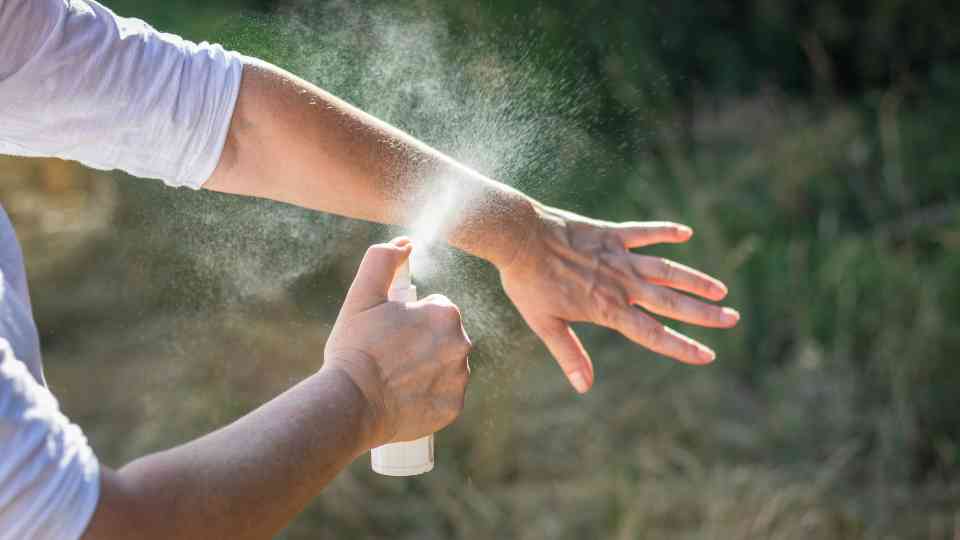
When it comes to protecting yourself from insect bites while travelling, the most effective repellents are those containing DEET (diethyltoluamide), which remains the gold standard ingredient recommended by travel health professionals worldwide for its proven ability to repel mosquitoes, ticks, sandflies, and other biting insects. Repellents containing at least 50% DEET are recommended for travel to high-risk destinations — particularly those where mosquito-borne diseases such as malaria, dengue fever, Zika virus, and chikungunya are present. For those who prefer a DEET-free alternative, products containing picaridin (also known as icaridin) or PMD (para-menthane-3,8-diol), derived from the lemon eucalyptus plant, are the next most effective options and are also widely endorsed by travel health authorities. The Village Pharmacy in Chelmsford offers expert, destination-specific advice on insect repellent and bite prevention as part of every travel health consultation, so you can leave for your trip knowing you have the right products and the right plan.
Insect-borne diseases are a real risk in many of the world’s most popular travel destinations. Book a consultation with our travel health team at The Village Pharmacy in Chelmsford and get expert, personalised advice before you go.
Key takeaways
- DEET is the most widely recommended and rigorously tested insect repellent ingredient, with concentrations of 50% or above advised for high-risk destinations.
- Picaridin and PMD (lemon eucalyptus extract) are the most effective DEET-free alternatives and are suitable for most travellers.
- Insect repellent should always be applied after sunscreen, and a higher SPF sunscreen may be needed as DEET may reduce its effectiveness.
- No insect repellent provides 100% protection — combining repellent with physical barriers such as long sleeves, mosquito nets, and permethrin-treated clothing significantly reduces bite risk.
- DEET-based repellents are generally safe for use in children aged two months and over, though concentrations should not exceed 50% and products should be used sparingly on children under two years of age.
- The right insect repellent for you will depend on your destination, the specific insects present, and your personal health circumstances.
The Hidden Dangers of Insect Bites Abroad
Insect bites are one of the most common health complaints among travellers, and while the majority result in nothing more than temporary itching and discomfort, bites from certain insects can transmit serious and potentially life-threatening diseases. Mosquitoes are the most well-known culprits, responsible for transmitting malaria, dengue fever, Zika virus, chikungunya, yellow fever, and Japanese encephalitis, among others. However, ticks, sandflies, and other biting insects can also carry diseases including Lyme disease, leishmaniasis, and various viral encephalitides depending on the region visited.
How much risk you face from insect-borne diseases will depend on a combination of factors, including where you are going, when you are travelling, where you are staying, and what you plan to do when you get there. Those at greatest risk include travellers heading into rural or forested environments, staying in basic accommodation without mosquito screening, or spending time outdoors at dawn and dusk when many biting insects are most active. Effective insect bite prevention, including the use of a high-quality repellent, is a cornerstone of travel health for many destinations worldwide.
It is important to understand that insect repellents work alongside other preventive measures — including vaccinations and antimalarial medication where relevant — rather than replacing them. A comprehensive bite prevention strategy that combines repellent use with physical barriers and behavioural measures offers the best overall protection.
Let our travel health team at The Village Pharmacy in Chelmsford help you put together a complete protection plan before your trip. Contact us to book your appointment today.
The Most Effective Insect Repellent Ingredients
Not all insect repellents are created equal. The active ingredient is the most important factor in determining a repellent’s effectiveness, and understanding the differences between the main options helps you make an informed choice for your trip.
| Repellent Type | Recommended Concentration | Effectiveness | Suitable For | Key Considerations |
|---|---|---|---|---|
| DEET | 50% or above for high-risk destinations | Gold standard | Adults and children aged 2 months and over | Concentrations should not exceed 50% in children; can damage plastics and synthetic fabrics; apply after sunscreen; avoid eyes and mouth |
| Picaridin (Icaridin) | 20% or above | Highly effective | Adults and children | Good option for those sensitive to DEET; does not damage fabrics or plastics; odourless and less greasy |
| PMD (Lemon Eucalyptus) | 30–40% | Effective | Adults and children aged 3 years and over | Not suitable for under 3s; plant-derived; shorter duration than DEET; not the same as pure lemon eucalyptus oil |
| IR3535 | 20–35% | Moderately effective | Adults and children | Widely used in Europe; generally less effective than DEET or picaridin for high-risk destinations; may damage plastics |
| Natural / Essential Oils (e.g. Citronella) | Not standardised | Limited evidence | Low-risk environments only | Not recommended where mosquito-borne diseases are present; short duration of action; limited clinical evidence |
This table is for general guidance only. Always seek personalised travel health advice from a qualified professional before travelling to high-risk destinations.
How to Use Insect Repellent Correctly
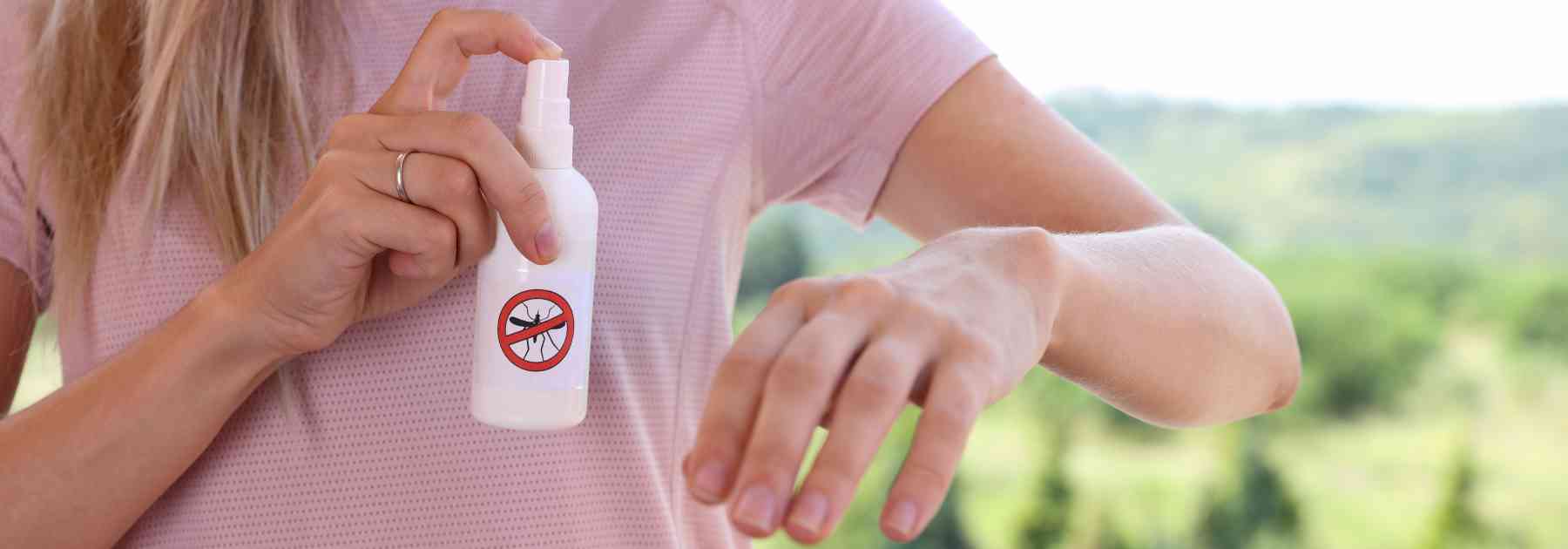
Even the most effective insect repellent will not perform to its full potential if it is not applied correctly. The way you use your repellent is just as important as the product you choose, and a few simple habits can make a significant difference to the protection it provides. Always apply repellent to all exposed areas of skin, paying particular attention to the ankles, wrists, neck, and the back of the knees — areas that are commonly targeted by biting insects but are easy to miss.
Repellent should always be applied after sunscreen, not before, as applying sunscreen on top of repellent can reduce the effectiveness of both products. DEET may reduce the effectiveness of sunscreen, so using a higher SPF than usual is recommended when using DEET-based repellents in sunny destinations. Reapplication of both sunscreen and repellent throughout the day is important, particularly after swimming or heavy sweating.
When applying insect repellent to children, an adult should always do so, taking care to avoid the hands, eyes, and mouth. Spray formulations should not be applied directly to a child’s face — instead, spray onto your hands first and then apply carefully. At night, sleeping under a permethrin-treated mosquito net provides an additional layer of protection, particularly in areas with high malaria transmission.
Beyond Repellent: A Complete Bite Prevention Strategy
Insect repellent is an essential part of bite prevention, but it works best as part of a broader strategy that incorporates physical and behavioural measures. Wearing loose-fitting, long-sleeved clothing and long trousers — particularly at dawn and dusk when many mosquito species are most active — reduces the amount of exposed skin available for biting insects to target. Light-coloured clothing is generally preferable, as dark colours are thought to attract certain insects.
Treating clothing and gear with permethrin, a synthetic insecticide, provides an additional layer of protection that complements skin-applied repellents. Permethrin-treated clothing is effective against mosquitoes, ticks, and other insects and remains active through multiple washes. Pre-treated clothing is widely available, or you can treat your own clothing with permethrin spray before you travel.
Staying in accommodation with intact window and door screens, using air conditioning where available, and sleeping under a mosquito net in high-risk areas are all important behavioural measures that reduce your overall exposure to biting insects. Combined with effective repellent use and any relevant vaccinations or antimalarial medication, these measures provide the most comprehensive protection possible against insect-borne diseases during your travels.
Insect Repellent for Children and Vulnerable Travellers
Choosing the right insect repellent for children requires extra care, as some ingredients and concentrations are not suitable for young children. DEET-based repellents are generally safe for children aged two months and over, though concentrations should not exceed 50% and products should be used sparingly on children under two years of age. Babies under two months old should be protected from insect bites through physical measures such as mosquito nets and protective clothing rather than chemical repellent products.
PMD-based repellents are not recommended for children under three years of age. Picaridin is generally well tolerated by children and is a good alternative to DEET for younger travellers. Whichever product you choose, always read the label carefully and follow the manufacturer’s age and dosage recommendations precisely.
Pregnant travellers should also take particular care when choosing an insect repellent. DEET is generally considered safe for use during pregnancy when used as directed, but it is advisable to discuss repellent choice with a healthcare professional before travelling, particularly if you are visiting a destination where Zika virus or malaria is present. Our team at The Village Pharmacy is experienced in providing tailored travel health advice for pregnant travellers and other vulnerable groups. Call us to book a consultation and travel with the reassurance that your health and your baby’s health are in expert hands.

Frequently Asked Questions
To help you feel fully prepared before your trip, we have answered the most common questions our patients ask us about insect repellent at The Village Pharmacy in Chelmsford.
Is DEET safe to use every day while travelling?
Yes — DEET is safe for daily use when applied as directed, and it has been used extensively by travellers for over 60 years with a well-established safety record. Apply it only to areas of exposed skin, take care to keep it away from the eyes and mouth, and wash it off thoroughly at the end of each day once the risk of insect bites has passed.
Can I use insect repellent and sunscreen at the same time?
Yes, but the order of application matters — sunscreen should always be applied first and allowed to absorb into the skin before applying insect repellent on top. DEET may reduce the effectiveness of sunscreen, so using a higher SPF than usual is recommended when combining the two products in sunny destinations.
Are natural insect repellents effective enough for travel?
Natural repellents such as citronella, neem oil, and other essential oil-based products generally have a much shorter duration of action and significantly less clinical evidence behind them than DEET, picaridin, or PMD. Travel health professionals do not recommend relying solely on natural repellents when visiting destinations where mosquito-borne diseases such as malaria or dengue fever pose a genuine risk.
How often should I reapply insect repellent?
The frequency of reapplication depends on the concentration of the active ingredient and the conditions you are in — higher concentrations generally provide longer-lasting protection, while sweating, swimming, and hot weather can all reduce a repellent’s effectiveness more quickly. As a general guide, DEET at 50% concentration provides protection for approximately four to eight hours, while picaridin and PMD-based products typically need reapplying every four to six hours.
Does insect repellent protect against all insects?
DEET and picaridin are effective against a broad range of biting insects including mosquitoes, ticks, sandflies, midges, and gnats, making them the most versatile options for travel. PMD and IR3535 are primarily effective against mosquitoes and some other insects, so if tick protection is a priority — for example, if you are hiking in forested areas — DEET or picaridin combined with permethrin-treated clothing is the most comprehensive approach.
Can I buy insect repellent at The Village Pharmacy in Chelmsford?
Yes — The Village Pharmacy stocks a range of travel health products including effective insect repellents suitable for a variety of destinations and traveller needs. Our team is also happy to advise you on the most appropriate product for your trip as part of a travel health consultation, ensuring you have everything you need before you depart.
Travel Further with the Right Insect Repellent
Choosing the right insect repellent is one of the most practical and important steps you can take to protect your health while travelling. Whether you opt for a DEET-based product, a picaridin alternative, or a PMD formulation, using an effective repellent consistently and correctly — combined with physical protection measures and any relevant vaccinations or antimalarials — gives you the best possible defence against insect-borne diseases abroad.
At The Village Pharmacy in Chelmsford, our travel health team is here to help you build a comprehensive, personalised bite prevention strategy tailored to your specific destination, itinerary, and health profile. From insect repellent advice and antimalarial prescriptions to all the travel vaccinations you need, we have everything covered under one roof. Book your travel health appointment at The Village Pharmacy in Chelmsford today and embark on your next adventure knowing you are fully prepared and protected.

Disclaimer: The information provided in this blog post is intended for general informational purposes only and does not constitute medical advice. Insect bite prevention requirements vary depending on individual circumstances, destinations, and health conditions. Readers are strongly advised to consult a qualified medical professional or travel health practitioner before starting any treatment, medication, or health regimen in preparation for travel. If you have any pre-existing medical conditions, are pregnant, or are travelling with young children, please seek personalised advice from a healthcare professional before selecting or using insect repellent products.