

Can I Use an Ear Cleaning Kit to Remove Earwax? — Advice from Our Chelmsford Ear Specialists
While ear cleaning kits are widely available and may seem like a convenient solution to earwax build-up, many of the products marketed for home ear cleaning carry real risks and are not recommended by ear health professionals — particularly those that involve inserting tools or irrigating devices into the ear canal without clinical oversight. The ear is a delicate structure, and without a clear view of what you are doing, home attempts to remove earwax can push it deeper, irritate the ear canal, or in some cases cause injury to the eardrum. The two safest and most clinically endorsed approaches to managing earwax at home are olive oil ear drops, which soften wax and allow it to migrate out of the canal naturally, and for more significant build-up, professional ear microsuction carried out by a trained practitioner. The Village Pharmacy in Chelmsford offers expert ear health consultations, including professional microsuction and tailored advice on ear drop products, with no GP referral required to book.
Earwax build-up is more common than you might think and easier to treat than you may expect. Book a consultation today.
Key takeaways
- Many home ear cleaning kits carry risks including ear canal irritation, wax impaction, and eardrum injury and should be used with caution or avoided entirely.
- Olive oil ear drops are the safest and most clinically recommended first-line approach for softening earwax at home.
- Professional ear microsuction at The Village Pharmacy in Chelmsford is the gold standard treatment for significant or stubborn earwax build-up.
- Home ear irrigation kits are not recommended by healthcare professionals as, without clinical guidance, they can force water into the middle ear or make wax impaction significantly worse.
- Cotton buds, ear picks, and spiral ear cleaning tools should never be inserted into the ear canal as they can cause more harm than good.
- If you are experiencing symptoms of earwax build-up such as muffled hearing, tinnitus, or ear discomfort, seeking professional advice is always the safest course of action.
What is an Ear Cleaning Kit?
The term “ear cleaning kit” covers a wide range of products that are marketed for home earwax removal. At the more benign end of the spectrum, some kits simply contain a bottle of softening drops — such as olive oil or hydrogen peroxide — along with a soft bulb syringe for gentle rinsing. However, many kits available online and in pharmacies include tools that are considerably more concerning from a clinical safety perspective, including spiral ear cleaning probes, ear picks, suction devices, and endoscopic ear cameras with attached cleaning tools.
The marketing around these products can be compelling, often promising quick, painless, and thorough earwax removal from the comfort of your own home. The reality, however, is that the ear canal is only around 25mm long and ends at the eardrum, a thin and highly sensitive membrane that can be perforated by even modest pressure or contact. Without the magnified view and precise control that a trained practitioner has during professional microsuction, it is extremely difficult to clean the ear canal safely and effectively using any kind of tool.
This does not mean that all ear cleaning products are dangerous — softening drops used correctly are both safe and effective. The key distinction is between products that work with the ear’s natural processes, such as drops that soften wax and encourage natural migration, and those that involve physically inserting something into the canal in an attempt to extract or dislodge wax.
The Risks of Using Home Ear Cleaning Kits
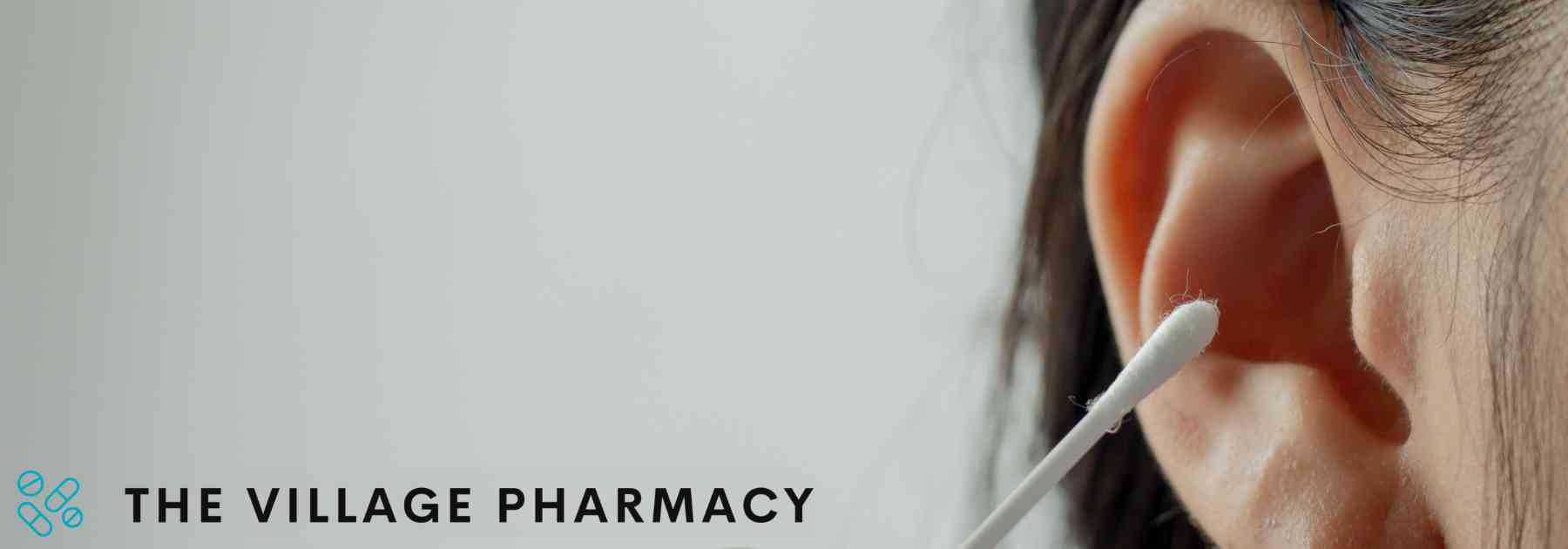
The most significant risk associated with home ear cleaning kits that involve tools or irrigation devices is the potential for wax impaction. Rather than removing earwax, probes, spirals, and cotton buds often push wax further down the canal towards the eardrum, compacting it and making it significantly harder to remove — and often considerably more uncomfortable. This is one of the most common reasons patients present to ear health clinics, and in many cases it is an entirely avoidable situation caused by well-intentioned but misguided home cleaning attempts.
Home irrigation kits pose their own specific risks. Without clinical training, it is easy to use water that is the wrong temperature — cold water in particular can cause significant vertigo — or to apply too much pressure, which can rupture the eardrum. Irrigation should never be used on anyone with a perforated eardrum, a history of ear surgery, or an active ear infection, and without a clinical assessment it is impossible to rule these out with certainty. The NHS does not recommend home ear irrigation for these reasons.
Endoscopic ear cleaning kits — which combine a small camera with a cleaning tool — have grown in popularity in recent years, often marketed as a more modern and precise approach to home ear cleaning. While the camera element does provide some visibility, it cannot replicate the magnification and precision of a clinical microscope or loupe, and the combination of limited visibility and unfamiliar tools in close proximity to the eardrum creates a real risk of injury. Healthcare professionals are broadly in agreement that these devices, while interesting in concept, are not a safe or adequate substitute for professional ear care.
If you have been using a home ear cleaning kit without success or are concerned about your ear health, our team at The Village Pharmacy in Chelmsford is here to help. Contact us to book a consultation today.
Safe Alternatives to an Ear Cleaning Kit
For the vast majority of people dealing with earwax build-up, the safest and most effective first step is a course of olive oil ear drops. Endorsed by the National Institute for Health and Care Excellence (NICE) as the preferred first-line treatment, olive oil drops work by softening and lubricating impacted wax, making it easier for the ear’s natural self-cleaning mechanism to migrate it outwards. Used two to three times daily for two to three weeks, they are safe and suitable for most adults and children — always consult a healthcare professional before using ear drops in young children or infants.
To use olive oil drops correctly, warm the bottle slightly by holding it in your hands for a few minutes, tilt your head to one side with the affected ear facing upwards, instil the recommended number of drops, and remain in position for five minutes to allow the oil to work. This simple routine, repeated consistently over several weeks, is often all that is needed to resolve mild to moderate earwax build-up without any tools, kits, or clinical intervention.
Where ear drops alone are not sufficient — whether because the wax is too impacted, the build-up too significant, or the symptoms too uncomfortable — professional ear microsuction is the recommended next step. Microsuction involves the use of a fine, low-pressure suction device guided by a specialist microscope or loupe, giving the practitioner a clear, real-time view of the ear canal throughout the procedure. It is precise, water-free, fast, and suitable for a much broader range of patients than irrigation, including those with a history of perforated eardrums. A clinical assessment is always carried out before microsuction to confirm suitability.
Who is Most at Risk from Home Ear Cleaning Kits?
While home ear cleaning kits carry risks for anyone who uses them without professional guidance, certain groups are particularly vulnerable to complications. People with a history of perforated eardrums, previous ear surgery, recurrent ear infections, or known structural abnormalities of the ear canal should avoid home ear cleaning kits entirely and always seek professional advice for earwax management. The same applies to anyone who is currently experiencing ear pain, discharge, or recent changes in hearing, as these symptoms may indicate an active condition that could be significantly worsened by home intervention.
Hearing aid users are another group who should exercise particular caution. Regular hearing aid use is one of the most common causes of earwax build-up, as the devices physically obstruct the natural migration of wax out of the canal. While olive oil drops used consistently are generally safe and beneficial for hearing aid users, the use of any tool-based ear cleaning kit by this group is not recommended and could damage both the ear and the hearing aid itself.
Children’s ears are especially delicate and should never be cleaned using any form of ear cleaning kit, tool, or irrigation device. If you are concerned about earwax build-up in a child, our team at The Village Pharmacy in Chelmsford can advise on age-appropriate ear drop use and, where necessary, refer to appropriate specialist care.
Whatever your situation, our ear health team is here to point you in the right direction. Call us to book a consultation with our team today.

Frequently Asked Questions
Our ear health team at The Village Pharmacy in Chelmsford has put together answers to the most common questions we receive from patients about ear cleaning kits and earwax removal.
Are ear cleaning kits safe to use at home?
Ear cleaning kits that contain only softening drops such as olive oil are generally safe for home use when used as directed. However, kits that include tools, probes, spirals, or irrigation devices carry real risks of wax impaction, ear canal injury, and eardrum damage and are not recommended by ear health professionals.
Are ear endoscope cleaning kits safe?
While ear endoscope kits provide some visibility into the ear canal, they cannot replicate the magnification, precision, or clinical expertise of professional ear microsuction and carry a genuine risk of injury to the delicate structures of the ear. Healthcare professionals do not recommend these devices as a safe or effective substitute for professional ear care, and their use in close proximity to the eardrum without clinical training is inadvisable.
What is the safest way to remove earwax at home?
The safest and most clinically recommended approach for home earwax management is the regular use of olive oil ear drops, instilled two to three times daily for two to three weeks to soften wax and encourage natural migration out of the canal. No tools, probes, or irrigation devices should be used at home, and if olive oil drops do not resolve your symptoms, professional ear microsuction is the recommended next step.
Can I use a home ear irrigation kit if I have a perforated eardrum?
No — ear irrigation of any kind, including home kits, should never be used if you have a perforated eardrum, a history of ear surgery, or an active ear infection, as it can introduce water into the middle ear and cause serious complications. If you are unsure about your ear health history, always seek professional advice before attempting any form of earwax removal.
How do I know if I need professional earwax removal?
If you have used olive oil ear drops consistently for two to three weeks without improvement, or if you are experiencing significant symptoms such as muffled hearing, tinnitus, ear pain, or dizziness, it is time to seek professional earwax removal rather than persisting with home treatment. Our team at The Village Pharmacy in Chelmsford can assess your ears and advise on the most appropriate course of action.
Do I need a GP referral for ear microsuction at The Village Pharmacy?
No — you do not need a GP referral to book an ear microsuction consultation at The Village Pharmacy in Chelmsford. You can book directly through our website or by calling us, and our friendly team will arrange a convenient consultation time for you as soon as possible.
Trust Your Ears to the Experts
When it comes to earwax removal, the allure of a quick home fix is understandable — but the risks associated with most ear cleaning kits far outweigh any potential convenience. The safest and most effective approach is always either a consistent course of olive oil ear drops for mild build-up, or professional ear microsuction for anything more significant. Both options are readily available, and neither requires you to put anything risky inside your ear.
At The Village Pharmacy in Chelmsford, our fully trained ear health practitioners are here to provide the safe, expert care your ears deserve. Whether you need advice on which ear drops to use, a professional microsuction consultation, or simply some reassurance about your ear health, our team is ready to help without the need for a GP referral. Book your consultation today and let us take care of your hearing the right way.

Disclaimer: The information provided in this blog post is intended for general informational purposes only and does not constitute medical advice. Ear conditions vary significantly between individuals, and readers are strongly advised to consult a qualified medical professional or healthcare provider before starting any treatment or using any ear cleaning product. If you are experiencing ear pain, sudden hearing loss, discharge, or dizziness, please seek prompt medical attention rather than attempting self-treatment at home.