
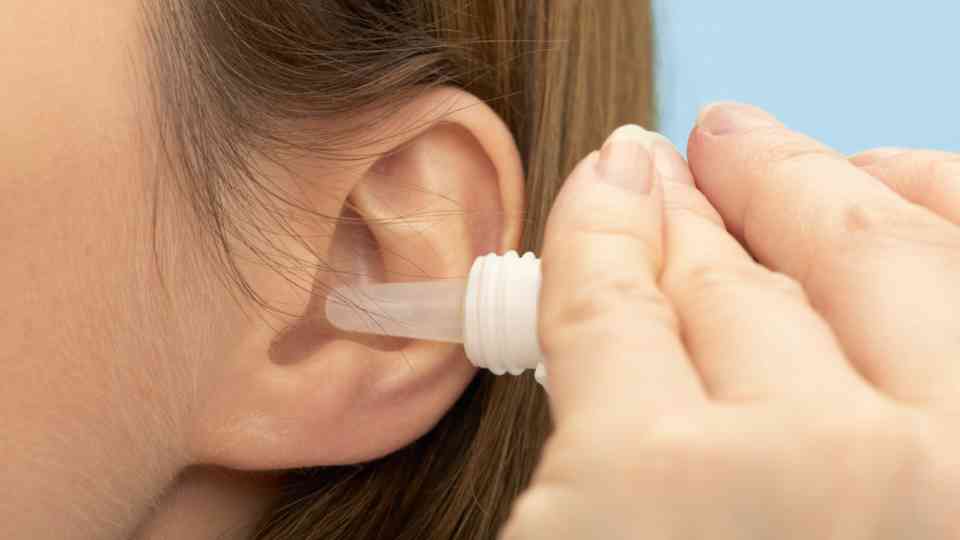
What are the Best Ear Drops for Ear Wax in Chelmsford?
The best ear drops for ear wax are those that effectively soften and loosen hardened wax, making it easier for the ear to clear itself naturally — and the most widely recommended options are olive oil drops and sodium bicarbonate drops, both of which have a good evidence base and are well tolerated by most people. Olive oil drops are generally considered the first-choice recommendation by pharmacists and GPs alike, as they are gentle, natural, and suitable for regular use. Sodium bicarbonate drops offer a slightly more active dissolving action and can be particularly useful for harder or more stubborn wax, though some formulations may require a prescription — always speak to your pharmacist for guidance. At The Village Pharmacy in Chelmsford, our knowledgeable team can help you choose the most appropriate ear drops for your symptoms and advise on when professional ear wax removal by microsuction may be the more suitable option.
Expert advice on the right ear drops for ear wax is readily available and closer than you think. Book now at The Village Pharmacy in Chelmsford for expert, personalised ear health advice with no GP referral required.
Key takeaways
- Olive oil drops are the most widely recommended ear drops for ear wax, suitable for most adults and safe for regular use.
- Sodium bicarbonate drops have a stronger dissolving action and can be effective for harder or more stubborn wax, though some formulations require a prescription.
- Ear drops work best for mild to moderate wax build-up — for significant or impacted blockages, professional microsuction is likely to produce faster and more effective results.
- Always apply two to three drops two to three times daily and use consistently for up to two weeks for the best results.
- Never use ear drops if you have or suspect you have a perforated eardrum — always seek advice from a pharmacist or GP first.
- The Village Pharmacy in Chelmsford can advise on the best ear drops for your individual needs and provide professional microsuction where ear drops alone are not sufficient.
Why Ear Drops are Used for Ear Wax
Ear wax — or cerumen — is a natural substance produced by glands in the outer ear canal that plays an important role in protecting the ear from dust, bacteria, and other debris. In most people, wax migrates naturally out of the ear without causing any problems. However, when wax becomes hard, dry, or accumulates faster than it can clear itself, it can form a blockage that causes symptoms such as muffled hearing, earache, tinnitus, and a sensation of fullness in the ear. Ear drops work by softening and loosening hardened wax, helping it to break down and migrate naturally out of the ear canal or making it easier to remove during a professional ear wax removal procedure. They are the recommended first-line treatment for mild to moderate ear wax build-up and are safe, affordable, and easy to use at home.
Olive Oil Ear Drops
Olive oil is the most widely recommended ear drop for ear wax and is the first-choice option endorsed by both pharmacists and NHS guidance. It works by softening and lubricating hardened wax, encouraging it to loosen and migrate naturally out of the ear canal over the course of one to two weeks. Olive oil drops are suitable for most adults and children, are gentle on the delicate skin of the ear canal, and carry a very low risk of side effects. They are available over the counter at most pharmacies, including The Village Pharmacy in Chelmsford, and can be used safely on a long-term basis for those who are prone to recurrent wax build-up. For best results, warm the bottle slightly in your hands before use and apply two to three drops two to three times daily, lying with the affected ear facing upward for a few minutes after application to allow the oil to penetrate.
Sodium Bicarbonate Ear Drops
Sodium bicarbonate ear drops work by actively dissolving and breaking down ear wax, rather than simply softening it, which can make them particularly effective for harder or more compacted wax. They are available over the counter in some formulations, though prescription-strength versions are also available — speak to your pharmacist at The Village Pharmacy in Chelmsford to find out which option is most appropriate for your needs. Sodium bicarbonate drops can occasionally cause mild irritation or a fizzing sensation in the ear, which is normal and usually short-lived. They should be used with the same technique as olive oil drops — two to three drops applied two to three times daily — and are typically recommended for a course of up to two weeks.
Other Ear Drops Available for Ear Wax
In addition to olive oil and sodium bicarbonate, there are a number of other ear drop preparations available for the treatment of ear wax:
Almond Oil Drops
Almond oil drops work in a similar way to olive oil drops and are a suitable alternative for those who prefer them. They are gentle, well tolerated, and available over the counter — though they should not be used by anyone with a nut allergy.
Hydrogen Peroxide Drops
Hydrogen peroxide ear drops — available in low concentrations of around 3% — work by releasing oxygen bubbles that help to break up and loosen wax. They can be effective but may cause a fizzing sensation or temporary dizziness in some people, and should be used with caution. They are not suitable for use if you have a perforated eardrum or sensitive ears.
Combination Drops
Some ear drop preparations contain a combination of ingredients — such as urea hydrogen peroxide and glycerol — designed to both soften and break down wax simultaneously. These can be effective for more stubborn blockages but should always be used as directed and after seeking pharmacist advice.
Our friendly and experienced team at The Village Pharmacy in Chelmsford is on hand to help you choose the most appropriate ear drops for your symptoms. Call us today for personalised ear health advice.
How to Use Ear Drops Correctly
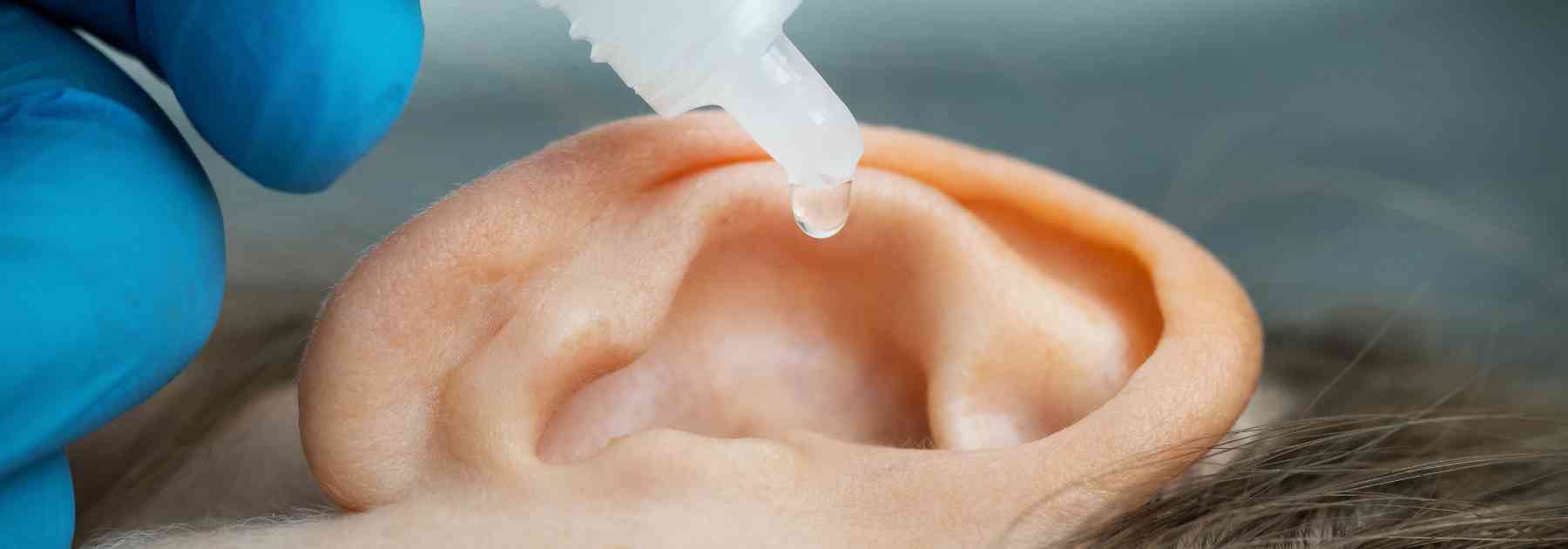
Using ear drops correctly is essential for achieving the best possible results. Follow these steps for the most effective application:
- Check the expiry date on the bottle and shake gently if directed
- Warm the drops to room temperature by holding the bottle in your hands for a few minutes — cold drops can cause temporary dizziness
- Lie on your side with the affected ear facing upward, or tilt your head to one side
- Gently pull the outer ear upward and backward to straighten the ear canal
- Apply two to three drops into the ear canal, taking care not to touch the dropper to the ear
- Stay in the same position for five to ten minutes to allow the drops to penetrate the wax
- Gently place a piece of cotton wool loosely at the entrance to the ear canal if needed — do not push it in
- Repeat two to three times daily for up to two weeks, or as directed by your pharmacist
When Ear Drops are Not Enough
Ear drops are an effective first-line treatment for mild to moderate wax build-up, but they are not always sufficient for more significant or impacted blockages. If you have been using ear drops consistently for one to two weeks and your symptoms have not improved — or are getting worse — it is time to consider professional ear wax removal. Microsuction is the fastest and most effective professional option, producing immediate results in a single appointment and suitable for most patients including those who have not responded to ear drops. At The Village Pharmacy in Chelmsford, we offer professional ear wax removal by microsuction with no GP referral required — and using ear drops for three to five days before your appointment will help to soften the wax and make the procedure as quick and comfortable as possible.
Contact us at The Village Pharmacy in Chelmsford for professional ear wax removal by microsuction — fast, safe, and effective, with results in a single appointment.
A Comparison of Ear Drops
To help you identify the most suitable ear drops for your needs, here is a concise overview comparing the most commonly used options side by side:
| Ear Drop Type | How It Works | Best For | Available OTC? | Key Considerations |
|---|---|---|---|---|
| Olive Oil | Softens and lubricates wax | Most adults; gentle first-line treatment | Yes | Warm before use; suitable for long-term use |
| Sodium Bicarbonate | Dissolves and breaks down wax | Harder or more stubborn wax | Some formulations | Some require prescription; may cause mild fizzing |
| Almond Oil | Softens and lubricates wax | Alternative to olive oil | Yes | Not suitable for those with nut allergies |
| Hydrogen Peroxide (3%) | Releases oxygen to break up wax | Moderate wax build-up | Yes | Not suitable for perforated eardrums; may cause dizziness |
| Combination Drops (e.g. Urea Hydrogen Peroxide) | Softens and dissolves wax simultaneously | Stubborn or compacted wax | Yes | Use as directed; seek pharmacist advice first |

Frequently Asked Questions
Here are answers to some of the most common questions our team at The Village Pharmacy in Chelmsford receives about ear drops for ear wax, designed to help you make informed decisions about your ear health treatment.
How long does it take for ear drops to clear a wax blockage?
Most people notice an improvement within one to two weeks of consistent use, though the exact timeframe will depend on the amount and consistency of the wax and the type of drops used. If your symptoms have not improved after two weeks of regular use, it is advisable to book a professional microsuction appointment at The Village Pharmacy in Chelmsford.
Can I use olive oil drops if I have a perforated eardrum?
Olive oil drops are generally considered safer than water-based drops for patients with a perforated eardrum, but you should always seek advice from a pharmacist or GP before using any ear drops if you have or suspect you have a perforation. Our team at The Village Pharmacy in Chelmsford can advise on the most appropriate and safe option for your individual circumstances.
How many drops should I use and how often?
The standard recommendation for most ear drops is two to three drops applied two to three times daily, though you should always follow the specific instructions provided with your chosen product. Applying the drops consistently at the same times each day will help to ensure the best possible results.
Can children use ear drops for ear wax?
Many ear drops — including olive oil drops — are suitable for use in children, though the dosage and application technique may vary depending on the child’s age. Always check the product instructions and speak to a pharmacist before using ear drops in young children or infants.
Should I use ear drops before a microsuction appointment?
Yes — using softening ear drops two to three times daily for three to five days before your microsuction appointment is strongly recommended, as this softens the wax and makes the removal process easier, quicker, and more comfortable. Our team at The Village Pharmacy in Chelmsford will advise you on the best drops to use and how long to use them before your appointment.
Are there any ear drops I should avoid?
Ear drops containing alcohol or other potentially irritating ingredients should be avoided if you have sensitive ears or a history of ear problems. Always check with a pharmacist before using ear drops, particularly if you have a perforated eardrum, have had recent ear surgery, or are using other ear medications concurrently.
Expert Ear Wax Advice and Treatment
Choosing the right ear drops for ear wax does not have to be complicated — with the right guidance, most people can find an effective solution quickly and conveniently. The Village Pharmacy in Chelmsford is here to help at every stage of your ear health journey, whether that means recommending the right olive oil drops for a mild blockage or providing professional microsuction for something more significant. From personalised ear drop recommendations and over-the-counter supplies to professional microsuction appointments, our experienced team has everything you need to tackle ear wax effectively and safely. Take the first step towards clearer hearing today — book now at The Village Pharmacy in Chelmsford and let our team help you find the right solution for your ear health needs.

Disclaimer: The information in this blog post is for general informational purposes only and does not constitute medical advice. Always speak to a qualified medical professional or pharmacist before starting any ear drop treatment, or if you have any concerns about your ear health or symptoms.