
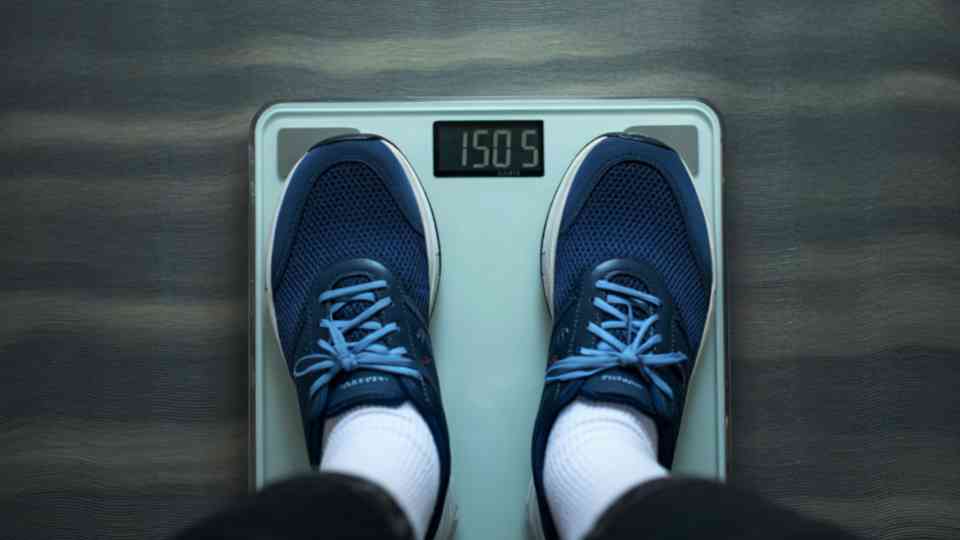
How Much Weight Have I Lost? – Track Your Progress with Guidance from Our Chelmsford Pharmacy
Tracking how much weight you have lost is an important part of any weight management journey, helping you to stay motivated, measure progress, and make informed decisions about your approach to diet and exercise. The most straightforward way to track weight loss is by weighing yourself regularly on a reliable set of scales and recording the results over time, but it is worth remembering that weight naturally fluctuates day to day due to factors such as hydration, food intake, and hormonal changes — so a single weigh-in does not always tell the full story. For a more complete picture of your progress, it is worth combining regular weigh-ins with other measurements such as waist circumference, body mass index (BMI), and how your clothes fit. Our weight management team at The Village Pharmacy in Chelmsford is on hand to help you track your progress accurately, make sense of your results, and provide the clinical support you need to reach your goals safely and sustainably.
Tracking your weight loss progress with expert support makes all the difference. Book now at The Village Pharmacy in Chelmsford for a personalised weight management consultation — no GP referral needed.
Key takeaways
- Regular, consistent weighing – ideally at the same time of day and under the same conditions – gives the most accurate picture of weight loss progress over time.
- Day-to-day weight fluctuations are normal and do not necessarily reflect true fat loss – focus on the overall trend rather than individual readings.
- BMI, waist circumference, and body fat percentage are useful additional measures that provide a more complete picture of health and progress.
- A sustainable rate of weight loss is generally considered to be between 0.5kg and 1kg per week – faster weight loss may not be sustainable or healthy in the long term.
- Weight loss medications such as Mounjaro can significantly accelerate progress when combined with lifestyle changes – The Village Pharmacy in Chelmsford offers clinical weight management support including prescription weight loss treatments.
- Keeping a weight loss journal or using a tracking app can help you stay motivated and identify patterns in your progress.
The Importance of Tracking Your Weight Loss
Understanding how much weight you have lost — and at what rate — is about much more than a number on the scales. Tracking your progress allows you to identify what is working, spot plateaus early, and make adjustments to your diet or exercise routine before small setbacks become bigger obstacles. It also provides a powerful source of motivation: seeing a clear downward trend over weeks and months can be enormously encouraging, particularly during periods when progress feels slow. Research consistently shows that people who monitor their weight regularly are more likely to achieve and maintain their weight loss goals than those who do not track at all.
How to Weigh Yourself Accurately
To get the most accurate and consistent readings, it is important to weigh yourself under the same conditions each time. Here are some tips for getting the most reliable results:
- Weigh yourself first thing in the morning, after going to the toilet and before eating or drinking
- Use the same set of scales on a hard, flat surface every time
- Wear the same amount of clothing – or none at all – for each weigh-in
- Weigh yourself no more than once a week to avoid being misled by normal daily fluctuations
- Record your weight in a journal, spreadsheet, or tracking app so you can monitor the overall trend over time
It is also worth being aware that weight can fluctuate by as much as 1–2kg in a single day, depending on factors such as fluid intake, salt consumption, exercise, and the time of your menstrual cycle if applicable. This is entirely normal and does not reflect changes in body fat — which is why weekly rather than daily weighing is generally recommended.

Beyond the Scales: Other Ways to Measure Weight Loss Progress
While the scales are the most common tool for tracking weight loss, they do not capture the full picture of what is happening in your body. Here are some additional measurements that can provide valuable insight into your progress:
Waist Circumference
Measuring your waist circumference is one of the most clinically meaningful ways to track the health benefits of weight loss, as excess fat around the abdomen is associated with an increased risk of type 2 diabetes, heart disease, and other serious conditions. A healthy waist circumference is generally considered to be below 94cm for men and below 80cm for women — though these thresholds may vary depending on ethnicity.
Body Mass Index (BMI)
BMI is a widely used measure that compares your weight to your height and provides a general indication of whether you are in a healthy weight range. While BMI has limitations — it does not account for muscle mass, for example — it remains a useful screening tool when used alongside other measures.
Body Fat Percentage
Body fat percentage gives a more precise indication of your body composition than weight or BMI alone, as it distinguishes between fat mass and lean muscle mass. This can be particularly useful if you are exercising regularly alongside your weight loss programme, as muscle gain can sometimes mask fat loss on the scales.
How Your Clothes Fit
One of the simplest and most satisfying ways to track progress is to pay attention to how your clothes fit over time. Noticing that waistbands are looser or that you have dropped a clothing size is a tangible and motivating sign that your efforts are paying off, even if the scales are not moving as quickly as you might like.
Do not navigate your weight loss journey alone – our knowledgeable team at The Village Pharmacy in Chelmsford offers expert, personalised weight management support to help you track your progress and understand your results. Call us today.
What is a Healthy Rate of Weight Loss?
A sustainable and healthy rate of weight loss is generally considered to be between 0.5kg and 1kg per week, which equates to roughly 2–4kg per month. Losing weight more quickly than this — while sometimes achievable in the short term — is often not sustainable and can lead to muscle loss, nutritional deficiencies, and a higher likelihood of regaining weight once normal eating patterns resume. It is worth noting that weight loss is rarely linear — most people experience periods of faster progress followed by plateaus, which are a normal part of the process. If you have been following a reduced-calorie diet and exercise programme consistently but are not losing weight at the expected rate, it may be worth exploring whether a medical weight management approach — such as a prescription weight loss treatment — could be appropriate for your needs.
Weight Loss Medications and Clinical Support
While lifestyle changes are an important foundation for any weight loss programme, they are not always enough on their own – particularly for those with underlying metabolic conditions that make losing and maintaining weight more difficult. In these cases, prescription weight loss medications such as Mounjaro (tirzepatide) or Wegovy (semaglutide) may be clinically appropriate. These medications work by regulating appetite and blood sugar levels, helping patients to reduce their calorie intake and achieve significant weight loss when used alongside a healthy diet and increased physical activity. Clinical trials have demonstrated that both Mounjaro and Wegovy can produce substantial and sustained weight loss in eligible patients — with some individuals losing 15–20% or more of their body weight over the course of treatment.
A Guide to Interpreting Your Weight Loss Progress
Use the table below as a reference guide to help you understand and interpret your weight loss results:
| Weekly weight loss | Monthly equivalent | Interpretation | Action |
|---|---|---|---|
| Less than 0.25kg | Less than 1kg | Below expected rate | Review diet, activity levels, and consider clinical support |
| 0.25kg – 0.5kg | 1kg – 2kg | Slow but steady progress | Continue current approach and monitor closely |
| 0.5kg – 1kg | 2kg – 4kg | Healthy, sustainable rate | Continue current approach — this is the target range |
| 1kg – 1.5kg | 4kg – 6kg | Faster than average | Monitor closely — ensure adequate nutrition |
| More than 1.5kg | More than 6kg | Rapid weight loss | Seek medical advice — may not be sustainable or safe |
Contact us at The Village Pharmacy in Chelmsford for a clinical weight management review and find out whether a prescription weight loss treatment could help you achieve your goals more effectively.

Frequently Asked Questions
Our team at The Village Pharmacy in Chelmsford has answered some of the most frequently asked questions about tracking and managing weight loss to help you stay informed and on track throughout your journey.
How often should I weigh myself to track weight loss?
Most health professionals recommend weighing yourself once a week rather than every day, as daily fluctuations in weight can be misleading and may affect motivation. Weighing yourself at the same time of day under the same conditions each week gives the most reliable and consistent results.
Why am I not losing weight even though I am eating less?
Weight loss plateaus are common and can occur for a number of reasons, including a reduction in metabolic rate as you lose weight, changes in activity levels, or hormonal factors. If you have been consistently following a reduced-calorie diet and not losing weight, it is worth speaking to a healthcare professional at The Village Pharmacy in Chelmsford to explore whether there are any underlying factors that may be affecting your progress.
How do I know if my weight loss is fat loss or muscle loss?
The best way to distinguish between fat loss and muscle loss is to measure your body fat percentage alongside your weight, either using body composition scales or a DEXA scan. Ensuring adequate protein intake and incorporating resistance exercise into your routine are the most effective strategies for preserving lean muscle mass during weight loss.
Can I use weight loss medication if I have only a small amount of weight to lose?
Prescription weight loss medications such as Mounjaro and Wegovy are generally recommended for individuals with a BMI of 30 or above, or a BMI of 27 or above in the presence of weight-related health conditions. If you have a smaller amount of weight to lose, lifestyle changes are usually the most appropriate first step — speak to our team at The Village Pharmacy in Chelmsford for personalised advice.
Is it normal for weight loss to slow down after the first few weeks?
Yes — it is very common to experience more rapid weight loss in the first two to four weeks, often due to the loss of water and glycogen stores, followed by a slower and more gradual rate of fat loss. This is entirely normal and does not mean your approach is not working — focus on the overall trend over weeks and months rather than week-to-week fluctuations.
How much weight can I expect to lose with Mounjaro?
Clinical trials have shown that Mounjaro can produce significant weight loss in eligible patients, with many participants losing 15–20% or more of their body weight over the course of treatment when combined with a reduced-calorie diet and increased physical activity. Individual results vary depending on factors such as starting weight, adherence to lifestyle changes, and the dose of medication — our team at The Village Pharmacy in Chelmsford can provide a realistic assessment of what to expect based on your individual circumstances.
Expert Weight Loss Support in Chelmsford
A successful weight management journey is about more than just a number on the scales – understanding what your weight loss means for your overall health is just as important as tracking the progress itself. From taking your first steps towards weight loss to pushing through a plateau or seeking clinical support to accelerate your results, the right team by your side can make a profound difference to your outcomes. At The Village Pharmacy in Chelmsford, our friendly and clinically trained team delivers comprehensive weight management support – covering everything from personalised consultations and progress tracking through to prescription weight loss treatments and ongoing monitoring. Book your weight management consultation at The Village Pharmacy in Chelmsford today and take the first step towards achieving the results you have been working towards.

Disclaimer: The information in this blog post is for general informational purposes only and does not constitute medical advice. Always speak to a qualified medical professional or pharmacist before starting any weight loss programme, medication, or treatment, or if you have any concerns about your health or weight loss progress.