
Can You Get Treatment for Impetigo on the NHS? – Faster Care with Pharmacy First in Chelmsford
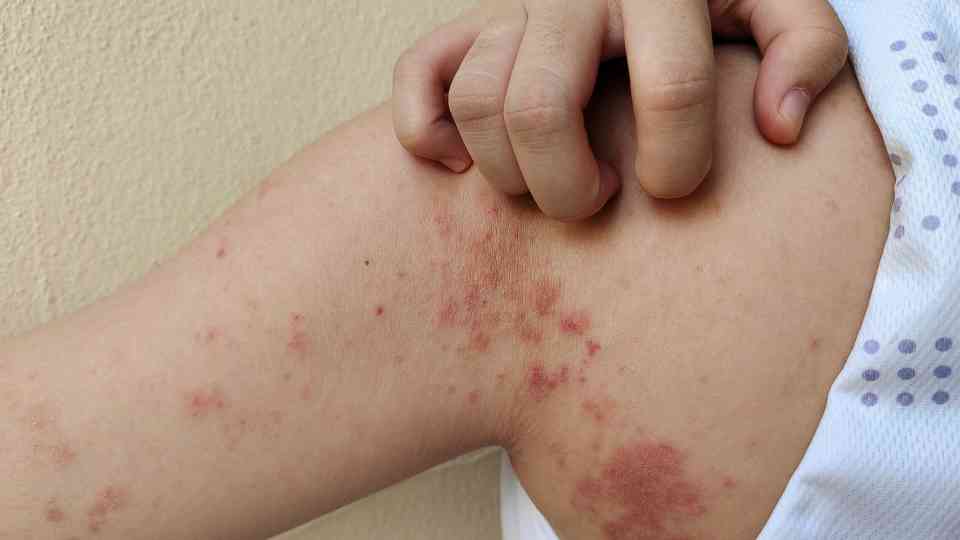
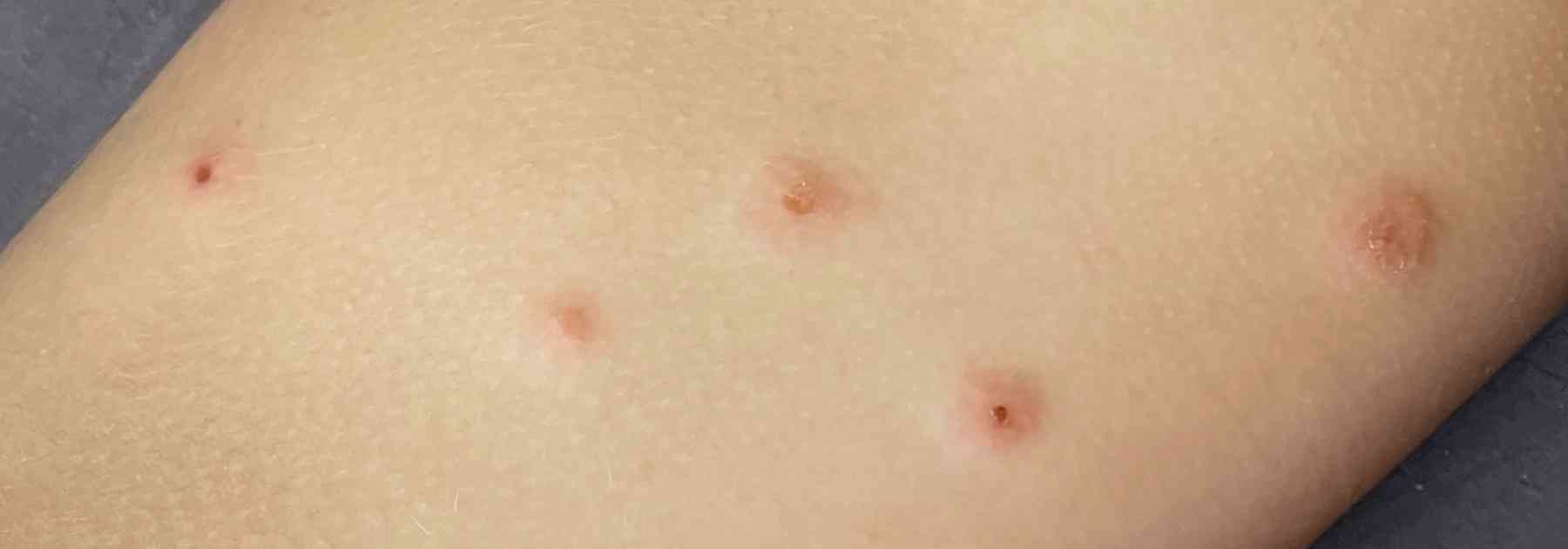
Those questioning whether the NHS offers treatment for impetigo will be reassured that it is available in many cases. Impetigo is a common and highly contagious bacterial skin infection that frequently affects young children, although teenagers and adults can develop it too. It often begins as small red sores or blisters that quickly burst and form a distinctive golden or honey-coloured crust. While impetigo can look alarming, it is usually mild and responds well to appropriate treatment when managed promptly.
At Village Pharmacy in Chelmsford, we regularly support parents and individuals who want quick, reliable advice. Thanks to the NHS Pharmacy First Scheme, eligible patients can now access assessment and treatment directly from a trained pharmacist without the need to wait for a GP appointment. This makes treatment faster and more convenient for uncomplicated cases.
What is Impetigo and How Does It Spread?
Impetigo is caused by bacteria, most commonly Staphylococcus aureus or Streptococcus pyogenes. It spreads easily through close physical contact, touching contaminated surfaces or sharing items such as towels and bedding. Because it spreads so quickly, outbreaks are common in schools, nurseries and households.
Typical symptoms include:
- Red sores or fluid-filled blisters, often around the mouth and nose
- Blisters that burst easily and form golden crusts
- Mild itching or irritation
- Occasionally swollen glands nearby
Although impetigo is usually not serious, prompt treatment helps reduce discomfort and limits the risk of spreading the infection to others.
Can You Get Treatment for Impetigo on the NHS?
Treatment for impetigo is available on the NHS. Traditionally, this meant booking a GP appointment to obtain a prescription for antibiotic cream or, in more extensive cases, oral antibiotics. However, access has improved significantly with the introduction of community pharmacy services.
Under the Pharmacy First Scheme, pharmacists are now able to assess and treat uncomplicated impetigo in eligible patients. This allows many people to receive NHS-funded treatment more quickly, without the delay of waiting for a GP slot.
If you would like guidance on whether you qualify for treatment through Pharmacy First, call us at Village Pharmacy in Chelmsford for professional advice.
How The Pharmacy First Scheme Works
The Pharmacy First Scheme is an NHS initiative designed to provide faster access to care for several common conditions, including impetigo. Instead of automatically booking a GP appointment, eligible patients can visit their local participating pharmacy for assessment and treatment.
During your consultation at Village Pharmacy, the pharmacist will:
- Ask about your symptoms and how long they have been present
- Examine the affected area where appropriate
- Confirm whether the symptoms are consistent with uncomplicated impetigo
- Provide antibiotic cream or other suitable treatment if clinically appropriate
- Offer clear advice on preventing spread and supporting healing
Contact us to arrange your Pharmacy First consultation and access timely NHS-supported treatment.
GP Appointment vs Pharmacy First
Both GP surgeries and pharmacies provide NHS treatment for impetigo, but the pathway may differ. Pharmacy First is particularly useful for straightforward cases where symptoms are mild and limited in area.
| Feature | GP Appointment | Pharmacy First |
|---|---|---|
| Access | Pre-booked appointment required | Often same-day access |
| Prescription | Issued after GP review | Supplied by pharmacist if appropriate |
| Waiting Times | May vary depending on demand | Typically shorter for eligible cases |
| Suitability | All cases including complex | Uncomplicated cases only |
This comparison shows why many families prefer Pharmacy First for quick assessment and treatment when symptoms are mild.

How Long Does Impetigo Last?
With antibiotic cream, impetigo usually begins to improve within two to three days. It is important to complete the full course of treatment as directed, even if symptoms start to settle quickly. Without treatment, impetigo can take two to three weeks to clear and remains contagious during that time.
To reduce the risk of spreading infection:
- Wash hands regularly with soap and water
- Avoid touching or scratching the affected areas
- Keep sores clean and covered where possible
- Do not share towels, clothing or bedding
Children are usually advised to stay off school or nursery until 48 hours after starting antibiotic treatment to reduce transmission.
Accessible NHS Impetigo Treatment in Chelmsford
So, can you get treatment for impetigo on the NHS? Yes, and with the Pharmacy First Scheme, access is now faster and more convenient for many patients. Early assessment and treatment can shorten recovery time and prevent spread within households and schools.
When you need timely professional support for impetigo, book now at Village Pharmacy in Chelmsford for NHS-funded care and guidance.
